From survival to recovery

Philanthropy‑backed initiative sets out a 20‑year framework to support war-injured Palestinians by rebuilding its rehabilitation services.

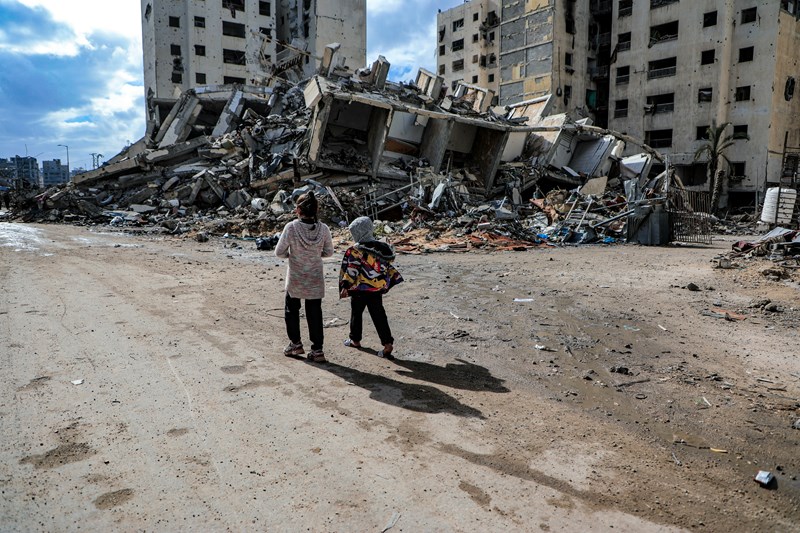
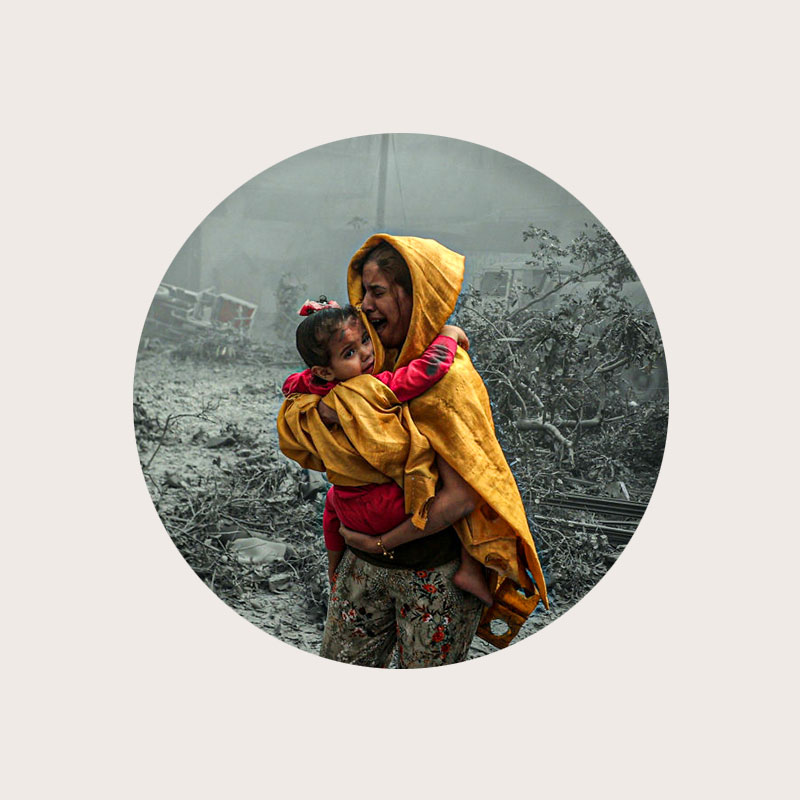
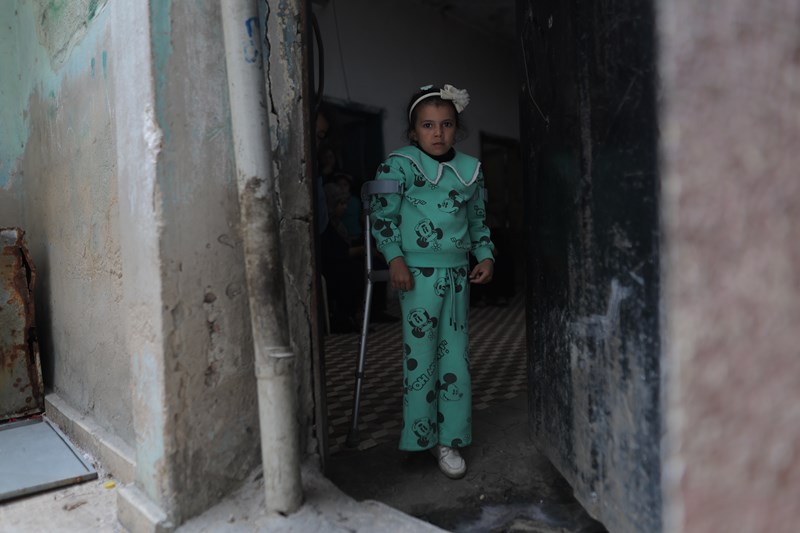
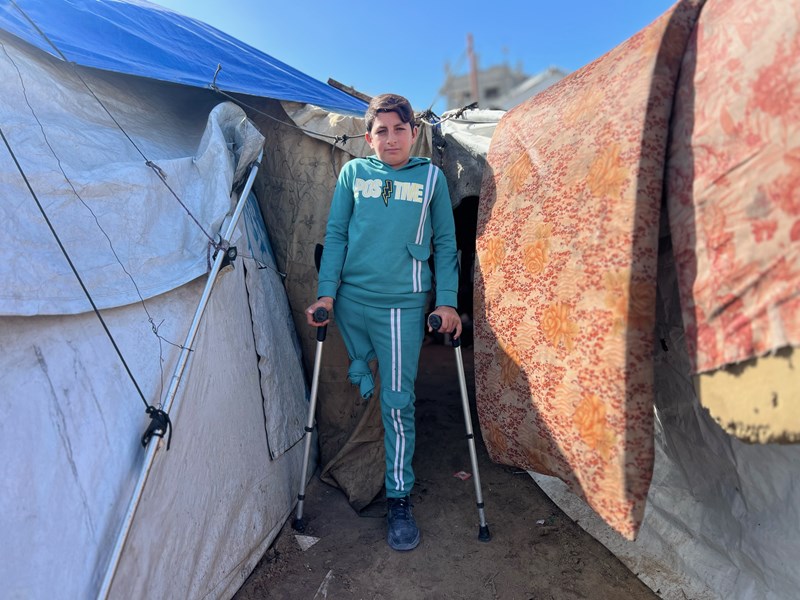
After more than two years of war, an estimated 6,500 people in Palestine have lost limbs, and Gaza now has the world’s highest per‑capita rate of paediatric amputations.

Its healthcare system lies in ruins. Much of its workforce has been killed or displaced, facilities have been destroyed, and essential medical supplies are routinely blocked at the border.

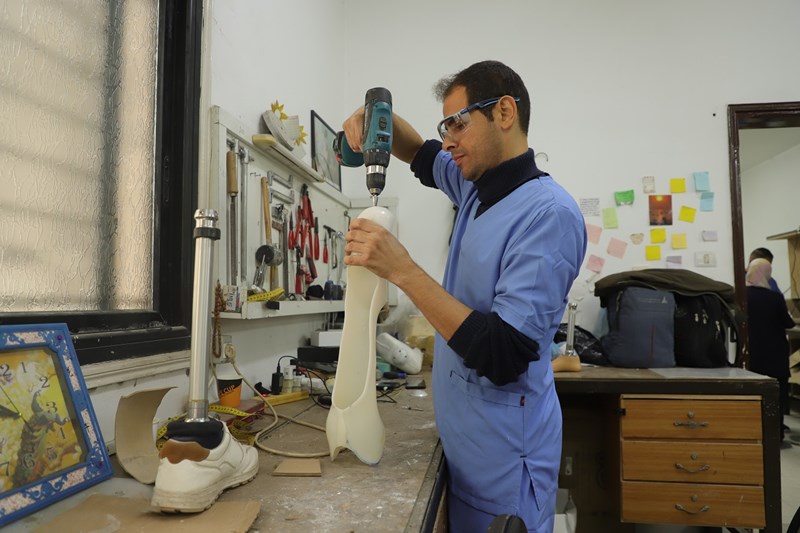
Just eight prosthetists remain in Gaza - none of whom are trained to work with children - and only one in five patients can currently access wheelchairs or other basic mobility aids.

Against this backdrop, a new philanthropy‑backed initiative is seeking to do something few humanitarian efforts attempt, to build a long‑term, nationally-owned rehabilitation system capable of supporting injured Palestinians for decades to come.

In response, Gaza Rehab Care (GRC) has been launched to support Gaza‑based clinicians to deliver prosthetic care and psychological support, with the aim of restoring mobility and livelihoods.

The initiative is being spearheaded by Taawon, Munib & Angela Masri Foundation, and the Global Health Institute at the American University of Beirut (AUB GHI), in close coordination with the Palestinian Ministry of Health and the World Health Organization in the occupied Palestinian territory (WHO oPt). Experts from the International Committee of the Red Cross (ICRC) and Imperial College London will serve as technical partners.
Over the next two decades, GRC plans to mobilise US$500m through a pooled fund, enabling a joined‑up, system‑wide reconstruction of rehabilitation and healthcare services. The model prioritises long‑term sustainability over fragmented, short‑term interventions.

“For too long, rehabilitation aid in Gaza has been short‑term, siloed and disruptive to patient care journeys. Gaza Rehab Care is designed to break this cycle,” said Dr Tareq Emtairah, Director General of Taawon. “Our 20‑year commitment is about rebuilding a holistic ecosystem of rehabilitation care for amputees — not just patching wounds.”

The first phase of Gaza Rehab Care will focus on re‑establishing essential rehabilitation services and facilities, including deploying mobile units to deliver a functional level of care to injured and amputee patients.

To date, more than US$2.2m has been raised, with confirmed grants from the UAE’s Big Heart Foundation (TBHF) and the Arab Fund for Economic and Social Development.

Abdulla Yousif, head of strategy at TBHF, which has been a long-term partner of Tawoon initiatives in Palestine and a leading funder of frontline response supporting children in Gaza, said the foundation was drawn to GRC because it was funding more than individual cases and looking to build a system by strengthening capacity longer term.

“We thought this was a better approach than paying for children to get treatment outside of Palestine,” he told Philanthropy Age.

Initial funding will flow to the Artificial Limbs and Polio Centre (ALPC) in Gaza City, while other centres are being vetted for partnership. A digital case‑management platform is also being established to register and track patients across medical care, rehabilitation, mental health support and social reintegration.

"Our 20‑year commitment is about rebuilding a holistic ecosystem of rehabilitation care for amputees — not just patching wounds."

Dr Tareq Emtairah, director general of Taawon

"We are designing a care pathway where every stage is connected. If any part of that continuum is broken, the rest becomes redundant."

Roba Ghadban, program director, Gaza Rehab Care

Roba Ghadban, program director of Gaza Rehab Care, emphasise the importance of the joined up response. “We are designing a care pathway where every stage is connected. If any part of that continuum is broken, the rest becomes redundant."

She said that often in crisis situations, children will receive prosthetics from different well‑meaning NGOs, but these do always fit properly and are not viable long-term without follow-up. Moreover, if reintegration, including schooling and psychosocial support, are ignored, children can remain isolated, she said.

Gaza Rehab Care in its second phase will focus on scaling local capacity, establishing community‑based rehabilitation centres, and strengthening integration between medical and rehabilitation services.

Longer‑term, the initiative aims to launch its own pooled financing mechanism to secure sustained funding, develop Palestinian professional expertise, and create a self‑sustaining rehabilitation system.

Welcoming the approach, Dr Majed Abu Ramadan, Palestine’s Minister of Health, said: “We call on all actors in the rehabilitation field to join under a national umbrella to build an efficient and sustainable system that meets the needs of our people in Gaza." - PA

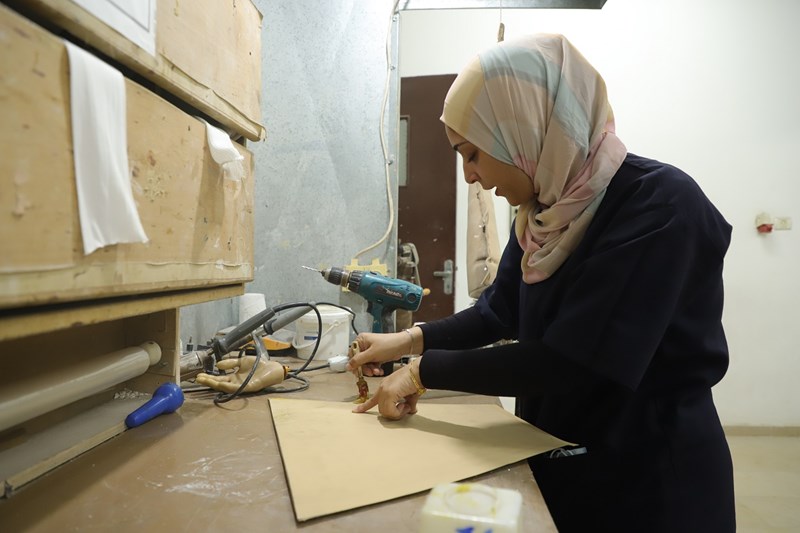
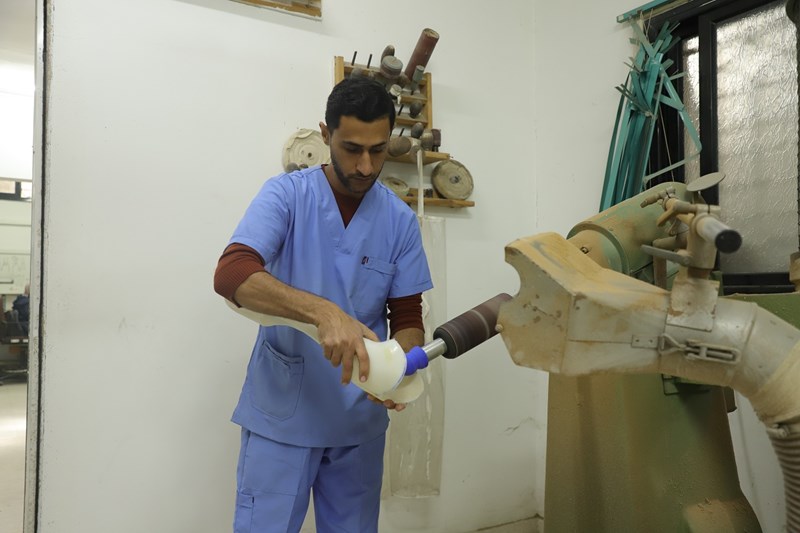
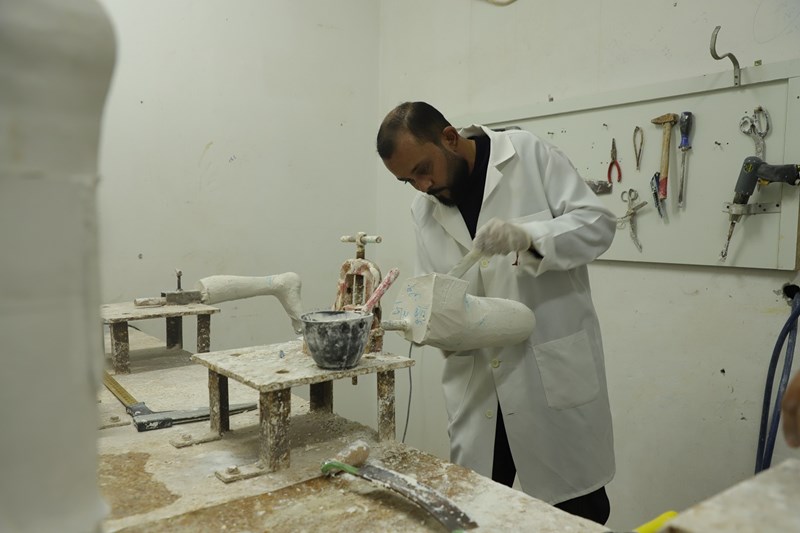
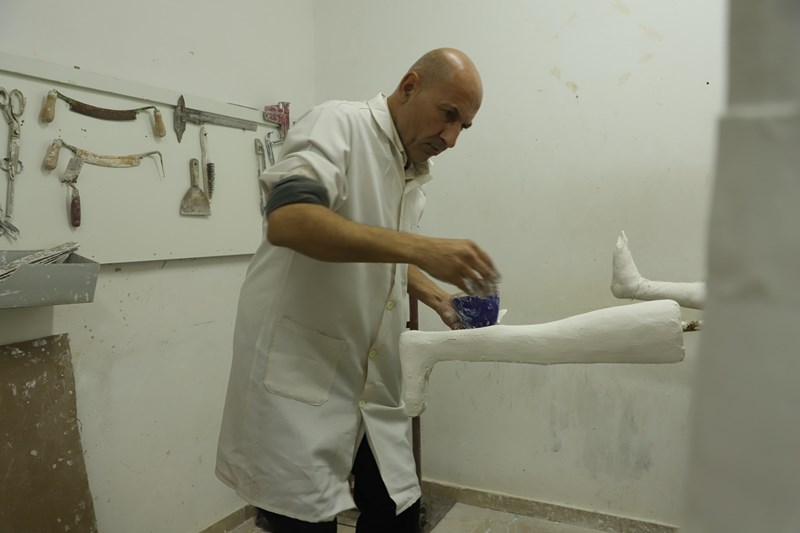
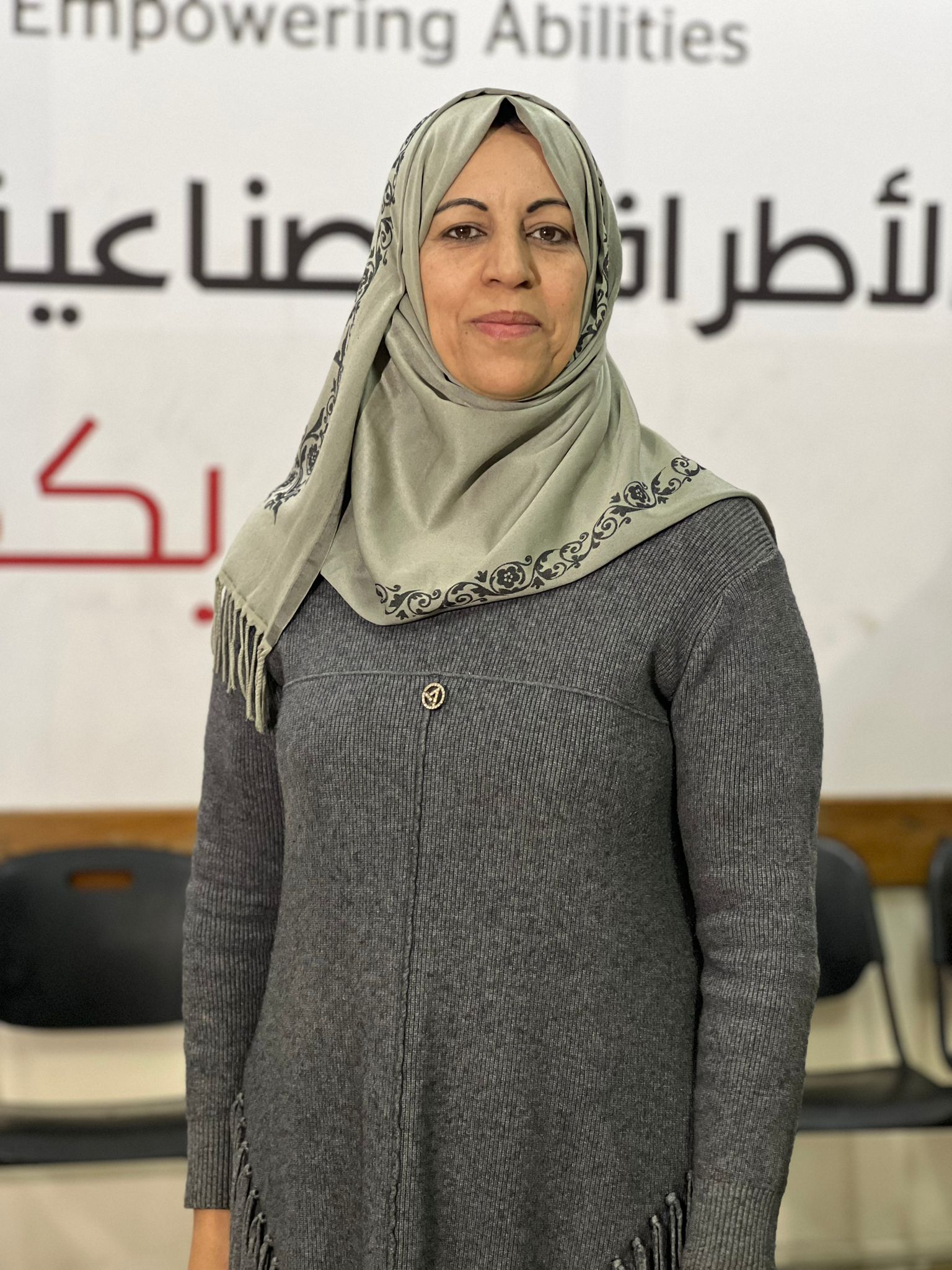
Established in 1976, the Artificial Limbs & Polio Centre (ALPC) is one of the few places in Gaza offering both lower and upper limb prosthetics. “We have the expertise here, we know what we are doing, but we need to increase our capacity because the needs are so huge,” Dr. Niveen Al-Ghussein, the centre’s acting director, told Philanthropy Age.  “We welcome the Gaza Rehab Care initiative and hope it will help us expand our team and reach more patients.”
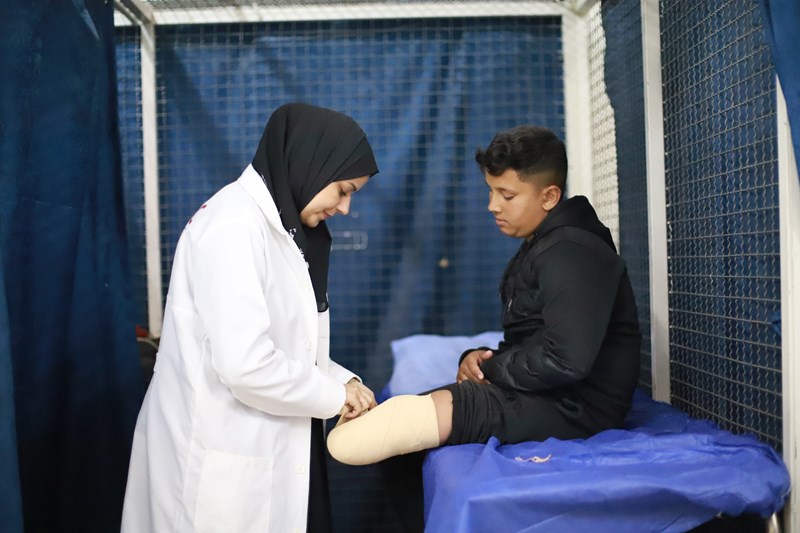
Al-Ghussein, who has worked at the centre for three decades, said her staff were routinely forced to recycle parts of old prosthetic limbs due to the lack of materials caused by the Israeli blockade on medical equipment.

Two thirds of ALPC’s caseload are people with lower limb amputations caused by war-related injuries. Close to one in five of the amputees seen there are children.

The Centre, which was damaged itself in an Israeli air strike, currently only has five fully-qualified prosthetists, who work alongside a team of physiotherapists, psychologists, and clinical assistants.

“When patients come to us after losing their limbs, they feel lost in their lives and they are very fragile, especially the children,” Al-Ghussein said, underlining the need to support mental health and rehabilitation services as well as medical care.

“We have a lot of sad stories here: everyday people coming to us who have lost their limbs, their family members, their livelihoods. But we also have a lot of success stories because we give people the chance to walk again and to go back to work and that is what keeps us going.”

The full extent of Palestine's rehabilitation crisis is documented in the report Rebuilding Rehabilitation Services for Amputees in Gaza, published by Taawon, Munib & Angela Masri Foundation, and the Global Health Institute at the American University of Beirut (AUB GHI), in coordination with the Ministry of Health in Palestine and the World Health Organization in the occupied Palestinian territory (WHO oPt). Download the report here.